Overview Finding restaurants and bars in a neighbourhood is easy enough but working out which ones might be worth contacting takes a bit more effort; There are reviews to read, websites to check, contact details to find and notes to keep somewhere along the way. Qromo Scout was built to brings those steps together, It’s a full stack web app for finding and researching potential business customers in the hospitality sector, from the first search to an email ready to review and send. The idea was to make something that felt easy to use and facilitate the day to day work.
Loading content…
Qromo Scout
Webapp to analyze and discover places
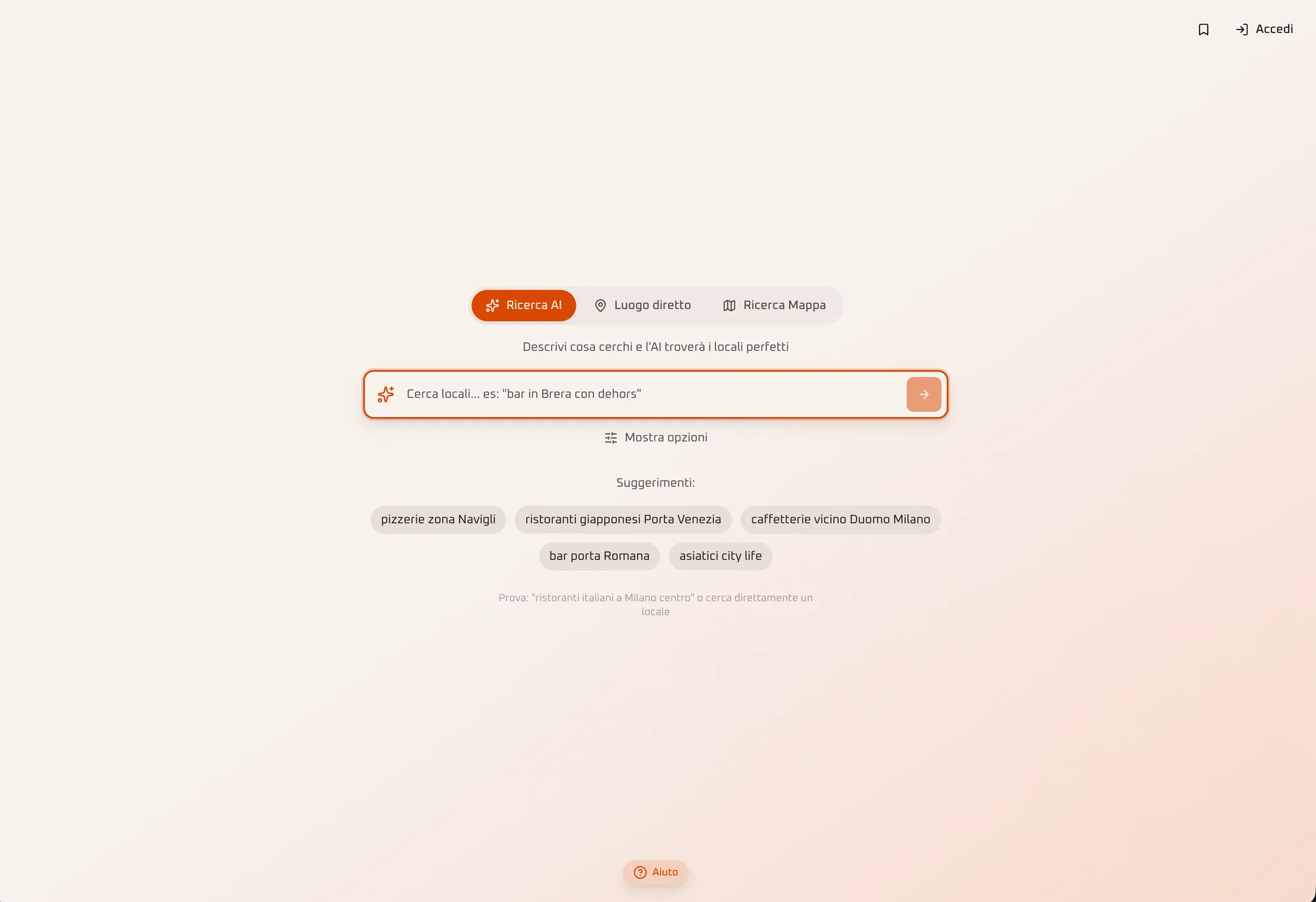
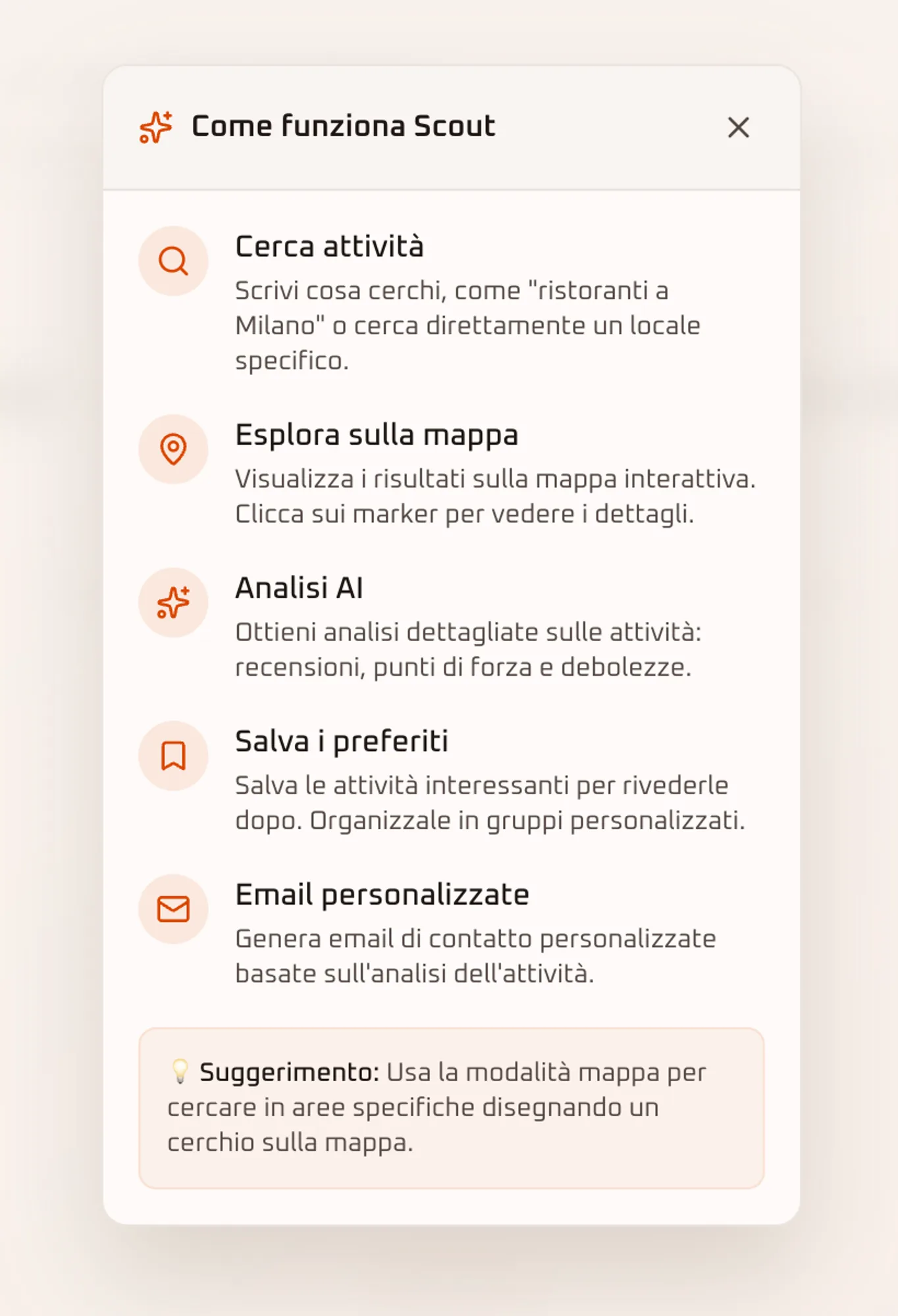
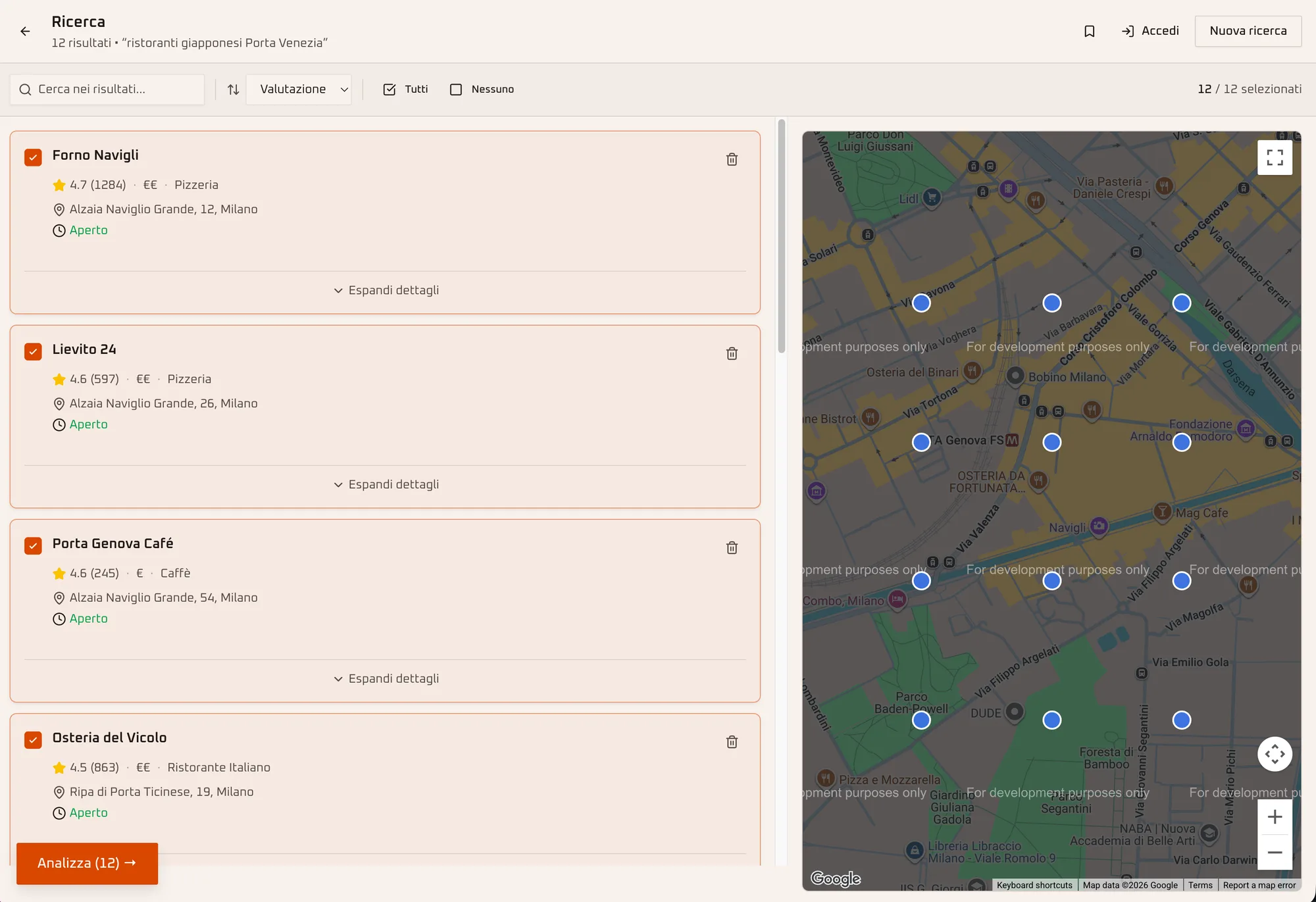
Starting with a place A search can begin with something as simple as “pizzerie zona Navigli", the webapp uses AI to turn that request into search parameters, then retrieves results from Google Places, you can also look up a specific business by name or choose an area and search radius on the map. The results appear as cards alongside an interactive map, clicking a marker brings you to the corresponding card, so it’s easy to move between a place and its surroundings. From there, you can narrow down the selection and choose which businesses to look at more closely.
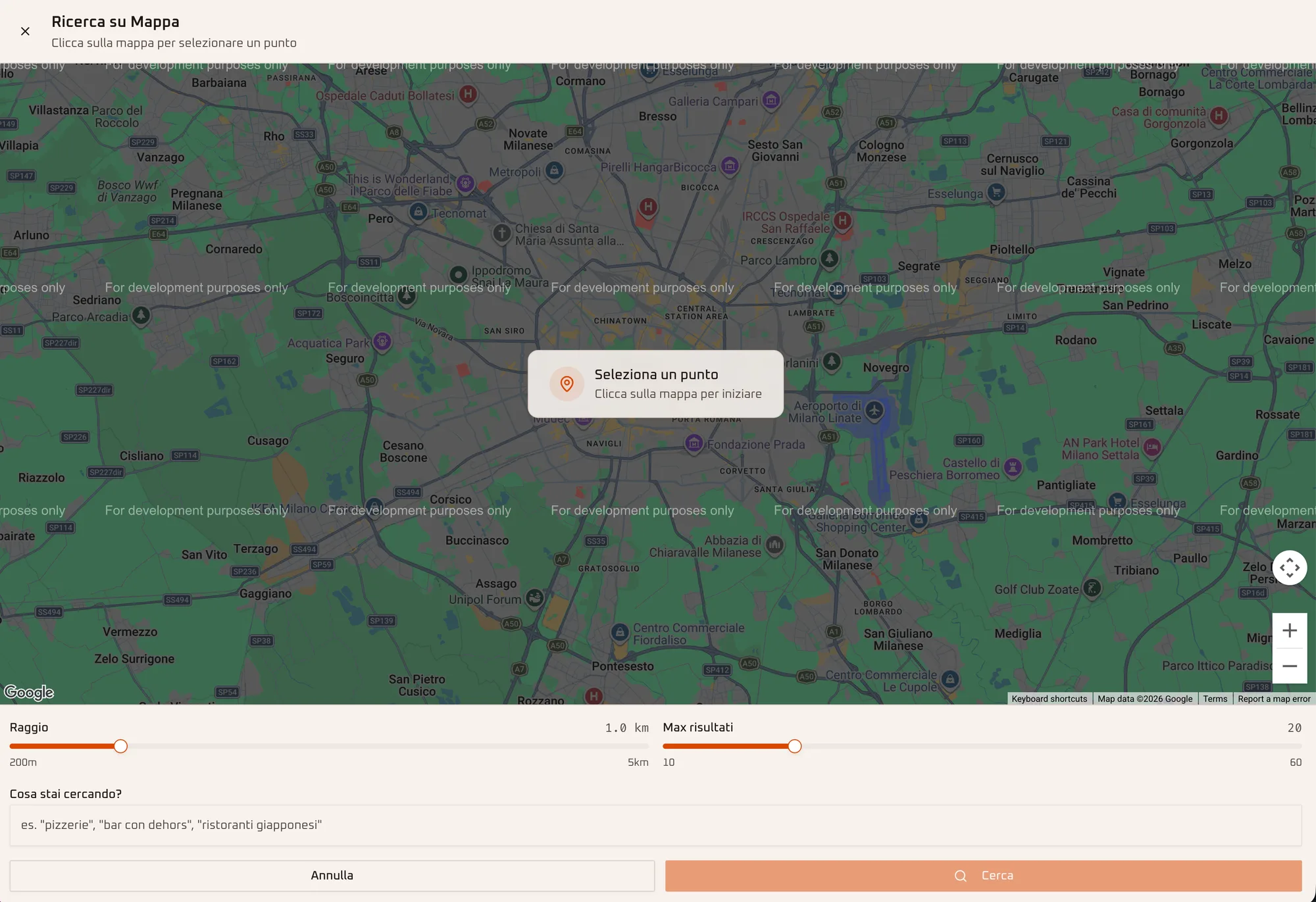
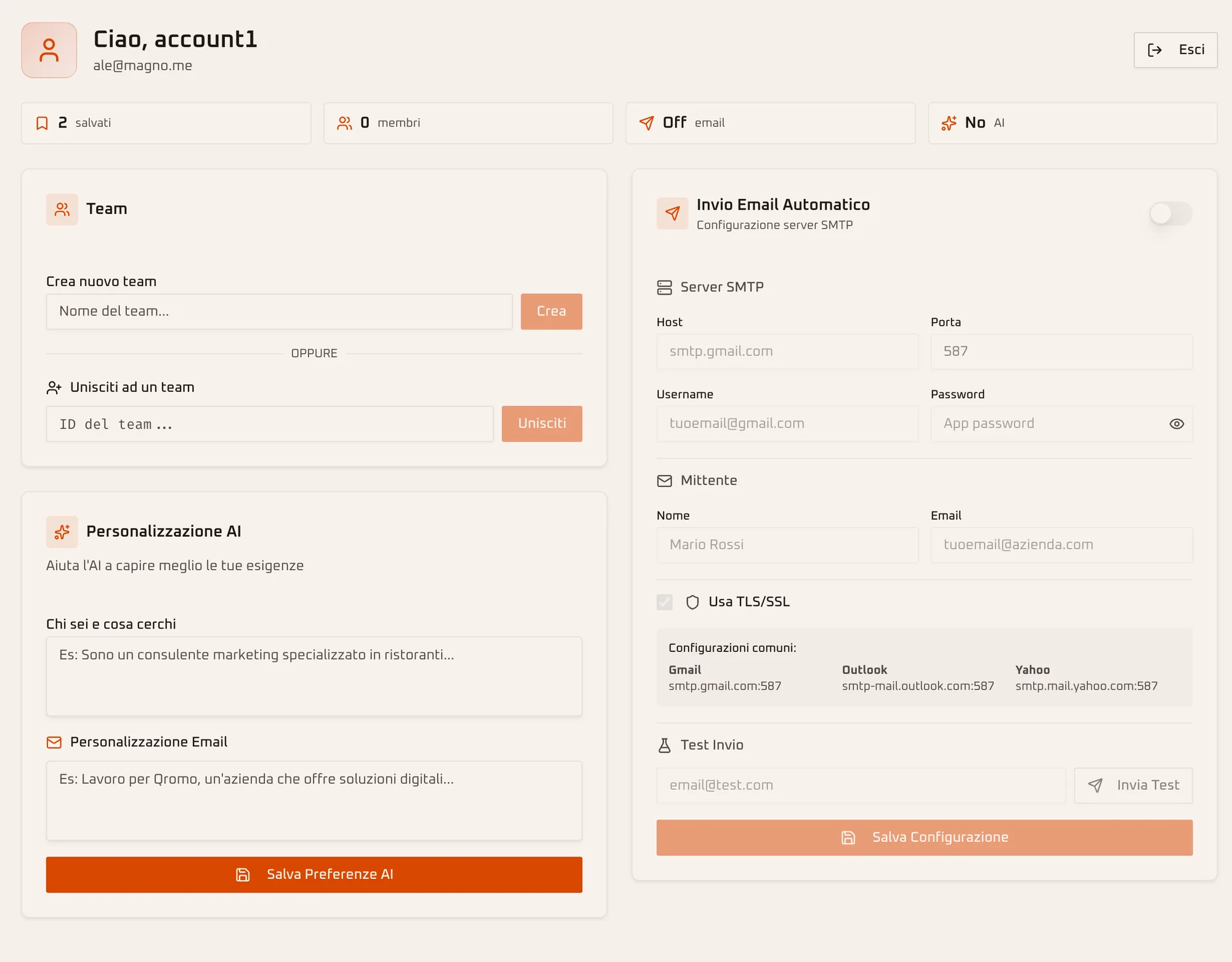
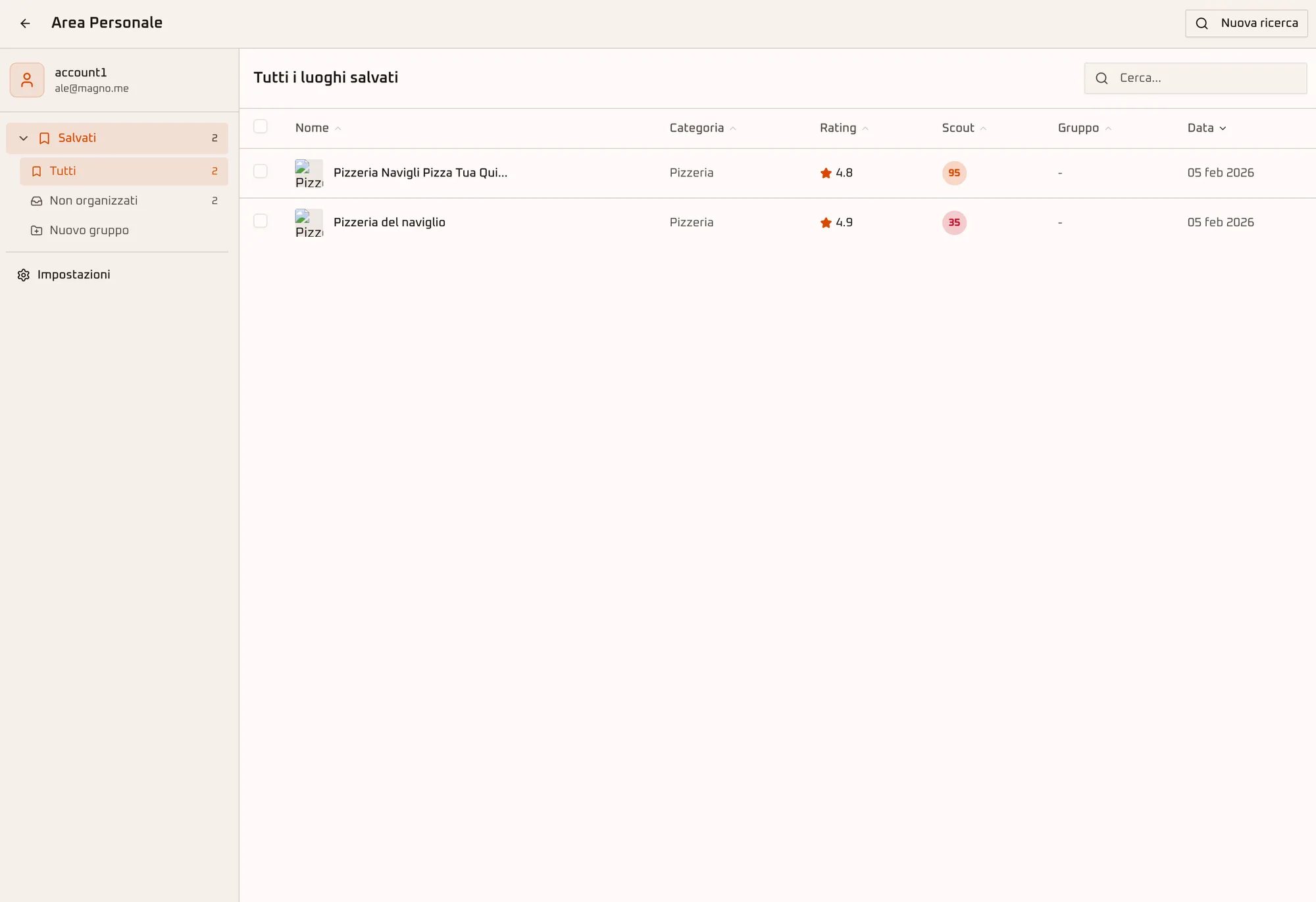
Analysis This is where the AI has a more involved role, the webapp takes the available business details and Google reviews and uses them to build an analysis: what customers appreciate, what they complain about, and which issues might be relevant to a potential business conversation. For example, comments about long waits or confusion with orders could suggest a reason to discuss tools for managing service. The analysis gives those observations a place alongside the basic information about the business. Each place also gets a Scout Score to help prioritise the results, it sits alongside a summary, strengths, weaknesses, and suggestions for approaching the business. Adding context about your own work to your profile lets the webapp tailor the analysis and suggestions to what you offer. Technical details The app is built with Next.js, React, and TypeScript, with SQLite storing saved places, notes, and analyses. Google Places provides the business data, while language models handle search interpretation, review analysis, and email drafts. Analyses are cached so returning to a place doesn’t mean generating everything again. When the analysis is personalised, the cache also takes the user’s profile into account.